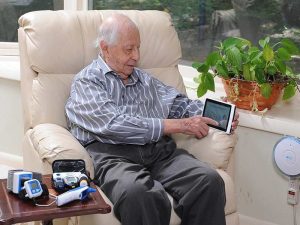
-1. Lack of Familiarity with Technology:
– Barriers to Learning: Many elderly individuals did not have access to digital technology during their younger years, making it difficult for them to adapt to rapid technological changes.
– Limited Access to Proper Training:** Often, older adults avoid participating in technology training sessions or lack opportunities to learn new skills due to social isolation.
2. Vision and Hearing Problems:
– Reading Text: Most applications, especially for video and voice calls, have small text that is hard for seniors with visual impairments to read, making it difficult for them to access messages or notifications.
– Hearing Clarity: Seniors with hearing difficulties may struggle to hear low-volume sounds, which can hinder effective communication during calls.
3. Stress and Anxiety:
– Fear of Making Mistakes: Many elderly individuals are apprehensive about making mistakes during video or voice calls, leading them to avoid using these technologies altogether.
– Unfamiliarity with Technical Terminology: Technical jargon and new vocabulary can be confusing for them, adding to their anxiety.
4. User Interface Issues:
– Complex Design: Many software applications have complicated and unintuitive interfaces that can be challenging for users with limited experience. Small buttons, intricate menus, and numerous options can lead to confusion.
– Mismatch with Specific Needs:** Some applications may not cater to the specific needs of elderly users, which can dampen their motivation to use technology.
5. Security and Privacy Concerns:
– Fear of Scams: Seniors are often more sensitive to online threats and may refrain from utilizing technology due to concerns about scams and cyberattacks.
– Lack of Awareness About Privacy Settings:** Elderly users may be unaware of how to set privacy options within applications, leading to feelings of insecurity in the online environment.
6. Physical Limitations:
– Mobility Challenges: Some elderly individuals may face difficulties due to physical impairments that make it hard to use touch screens or buttons, leading to frustration during use.
– Decreased Fine Motor Skills:** Operating touch devices or small buttons often requires precision, which can be hindered by motor skill issues.
Addressing the digital challenges faced by the elderly is crucial, as it enhances their quality of life and strengthens social connections. By offering the needed support and training, we can foster a more inclusive environment for older adults.
06/09/2024
–